There's a moment somewhere between a snowmobile ride and an après-ski cabin that beauty marketing stopped being about the product and started being about the place. In early 2026, the ski resort has quietly become beauty's most deliberate activation venue – and the brands showing up there aren't doing it by accident.
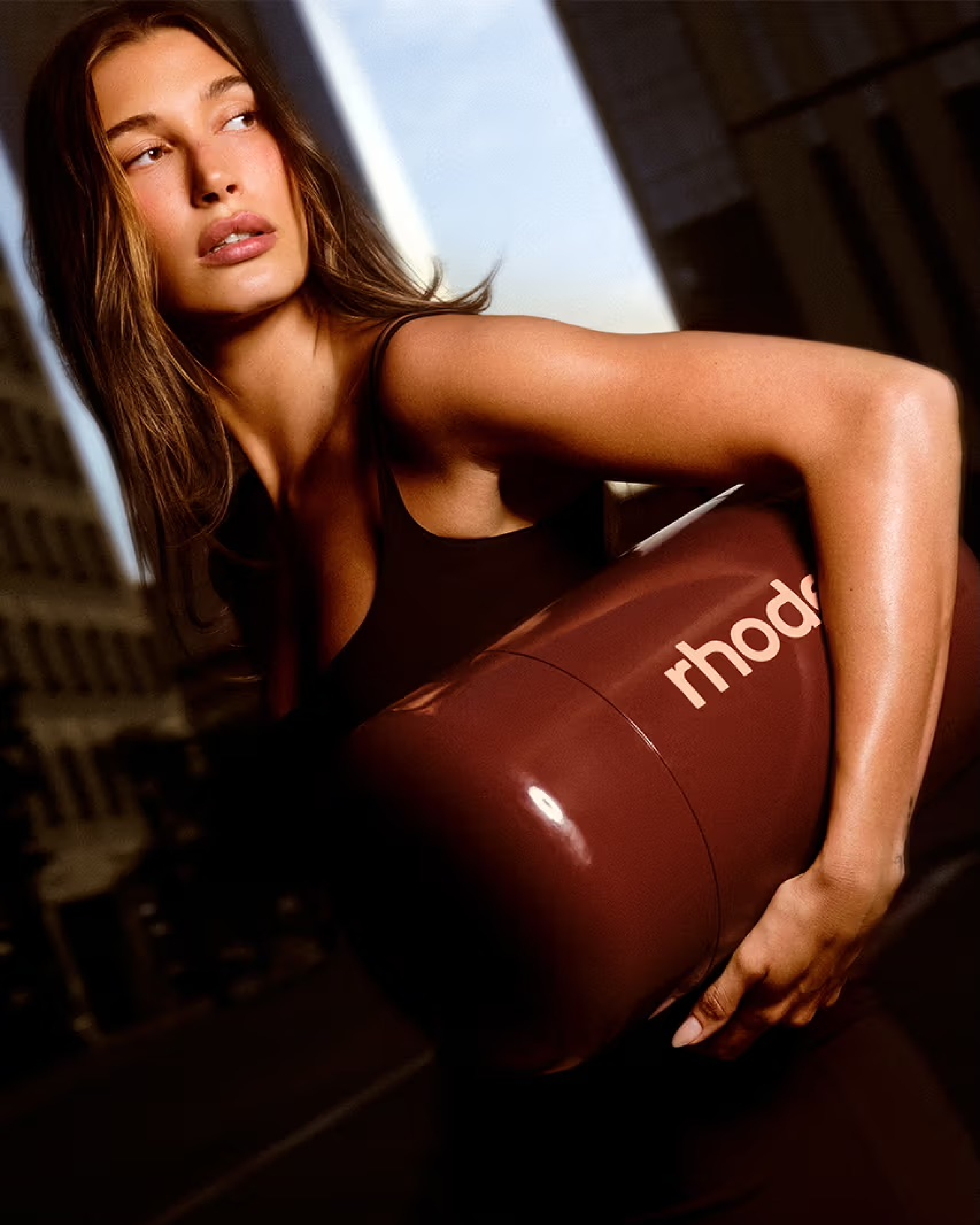
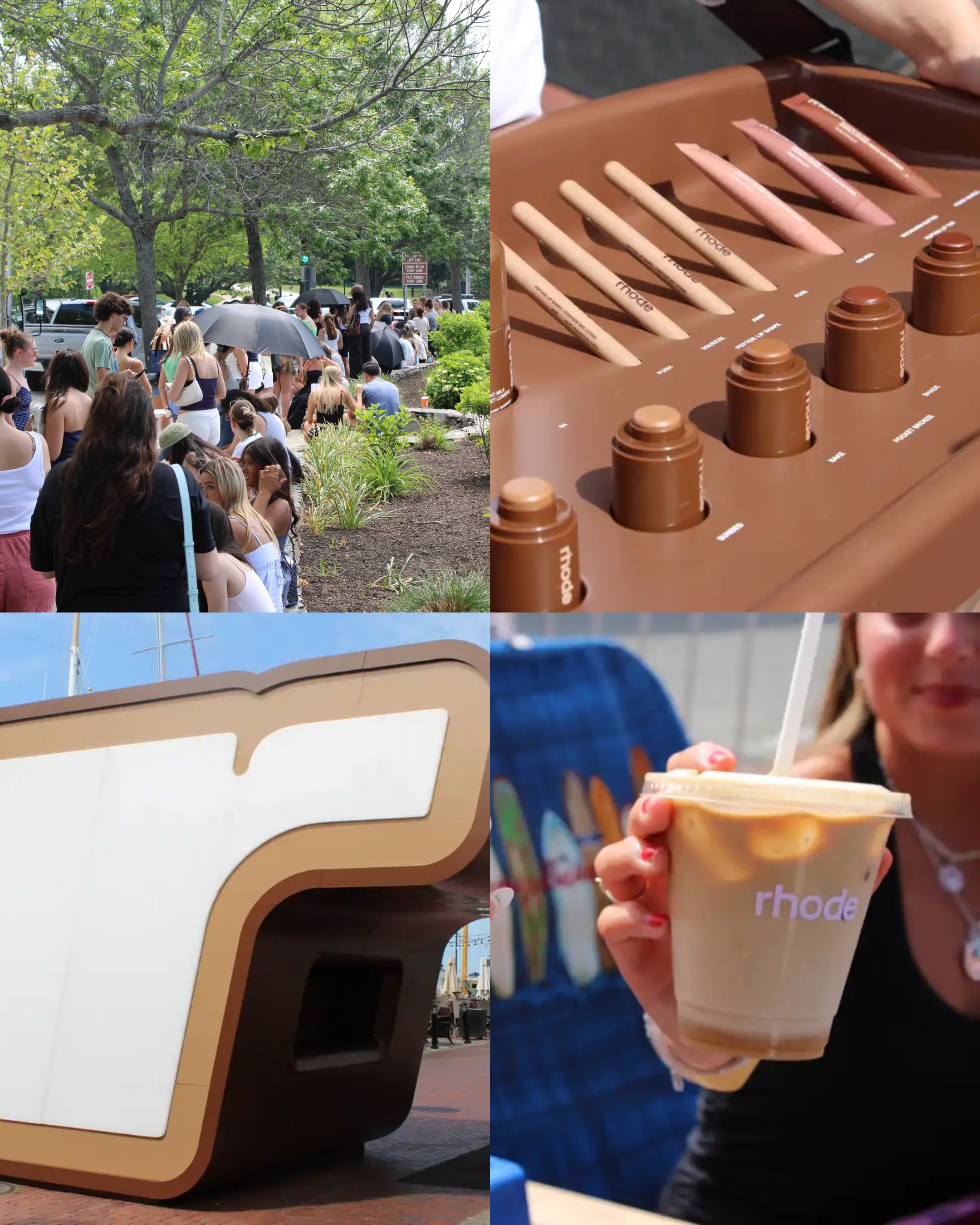
Rhode held its Snow Club at Big Sky, Montana, February 4–8. Mint green snowmobiles. A full takeover of Everett's 8800. The Caffeine Reset mask and Peptide Lip Boost launched on-mountain, in the cold, on the faces of creators like Kensington Tillo, Golloria George, and Toni Bravo. Rare Beauty went a different direction – intimate cabin in upstate New York, Selena Gomez in attendance, brand partners UGG, Aritzia, Ray-Ban, and Bloom folded in. The format was deliberately small. The message was connection over content.

What looks like a moment is actually a maturation. Supergoop has been activating at Aspen Snowmass for nine years and just signed a new four-year deal with Alterra Mountain Company spanning 13 resorts. Kiehl's is in its third year at Jackson Hole and expanding to four Alterra locations this season, distributing over 100,000 samples. Neutrogena launched its first ski activations at Heavenly Ski Resort in Tahoe — 20 creators, 97.5 million combined reach, 600+ pieces of content, 3 million views in 48 hours. Naturium debuted its Barrier Bounce Mist at Whistler's Alpine Club. Salt & Stone installed a 12-foot deodorant sculpture at Snowmass.
This is not a trend. It's a strategy, and it works for three distinct reasons.
The environment is the proof point.
SPF products have always had a credibility problem in winter. Consumers understand sun protection in July. They don't necessarily reach for it in February. A ski resort solves this without a word of copy. High altitude. UV reflection off snow. Wind, cold, and the physical demand of a full day outdoors. The conditions do the persuasion. When Supergoop hands someone a sample at the base of a mountain, the product argument writes itself. When Neutrogena activates at Tahoe, it's not claiming efficacy – it's demonstrating context. For skincare brands broadly, the extreme environment functions as a live stress test, and showing up there is a form of confidence.
The slopes carry cultural weight with exactly the right audience.
Skiing has undergone a quiet repositioning for Gen Z and younger millennials. It's always been aspirational, but it's increasingly coded as adventure-adjacent rather than country-club-adjacent – something closer to the mood board of a brand like Rhode than the legacy connotations of a Chanel print ad. The mountain setting signals freedom, physicality, and a specific kind of effortlessness that beauty brands have been chasing in their visual identity for years. It photographs the way they want to photograph. It feels earned rather than staged. And for brands trying to occupy cultural space rather than just retail space, that distinction matters enormously.
The format produces content that doesn't look like content.
This is the mechanism most brands aren't saying out loud, but it's arguably the most important one. Creator content shot in a studio or a hotel suite looks like creator content. Content shot on a mountain – goggles pushed up, wind in the frame, product used mid-run – looks like a life being lived. The ski activation solves one of beauty marketing's most persistent problems: how do you make a product feel real when the context of its promotion is, by definition, curated? You put it somewhere the curation is harder to detect. The cold nose, the flushed cheeks, the snowsuit that didn't coordinate with anyone's colour palette – these are signals of authenticity that no amount of art direction can manufacture. What Rare Beauty understood in choosing an intimate cabin over a large-scale event is that the format itself communicates brand values. Small, warm, genuine. The venue was an argument.
The question worth asking – the one that separates activations that build real brand equity from ones that generate content and disappear – is whether the environment reflects something true about the brand.
Supergoop spent nine years building a presence at Aspen before signing a multi-resort deal. That longevity isn't coincidence; it's conviction. The ski resort isn't a backdrop for them – it's proof of category belief. Sun protection belongs here. Their presence says so, and the repetition makes it credible.
Rhode at Big Sky worked because the aesthetic already existed. The mint green snowmobiles didn't feel imported – they felt like a Rhode product had always belonged in that landscape. The environment amplified the brand's existing visual language rather than borrowing one it hadn't earned.
The activations that won't outlast the season are the ones where you couldn't explain why that brand, in that place. Where the mountain is rented scenery and the product is incidental. A 12-foot deodorant sculpture at Snowmass is bold, but Salt & Stone will need to return – and with more – to make the location feel like a genuine home rather than a stunt.
The slope doesn't make the brand. But the brands that understand what the slope means, and show up as if they've always belonged there, are building something the content alone can't buy.



.svg)


.svg)
.svg)