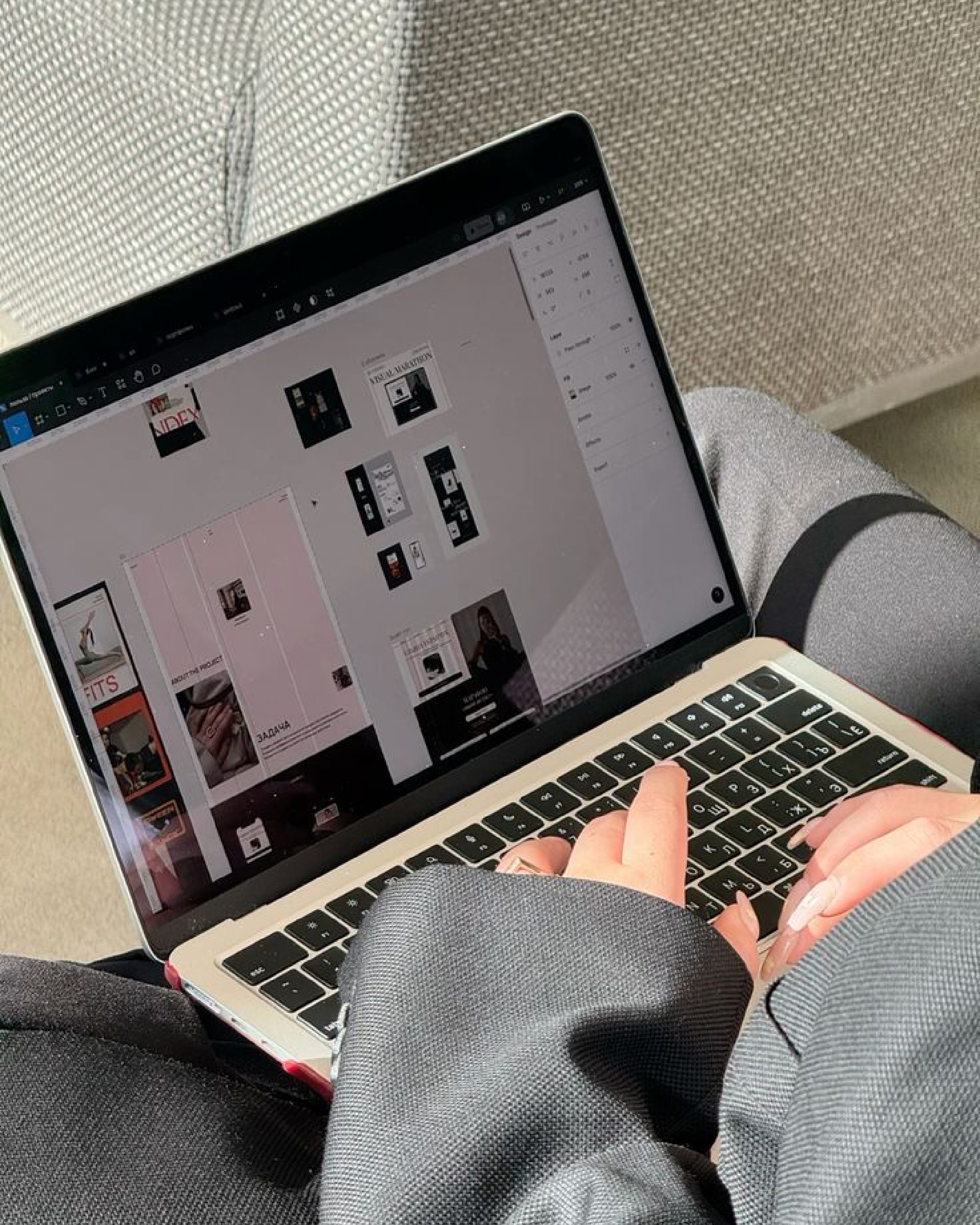
Brand design is not just a skill set. It's a way of seeing the world and bringing other people into that vision. The designers who build lasting careers – not just portfolios that trend for a season – share certain habits. These are the ones that keep surfacing.
1/ Taste is something that has to be actively fed
Paying attention to everything matters. The way a restaurant is lit. The texture of a package. The typography on a storefront. A visual library only grows when it's being filled, and that doesn't happen by staying inside the same corners of the internet.
Galleries, film, architecture, food packaging, independent publishing, shopfronts in unfamiliar cities – all of it is data. The designers with the strongest creative instincts tend to be the ones with the broadest, most deliberately built reference libraries.
2/ Knowing the work is one thing – selling it is another
The best presentation of a concept isn't just showing what it looks like. It's explaining what it does and why it's the right decision for that specific brand. Clients don't always know what they're looking at. The designer's job is to make sure they understand why it matters.
This isn't about being persuasive in a salesy way. It's articulation. When every visual choice connects back to the strategy, feedback shifts from "can we try it in green?" to "I see exactly why this works." That shift changes career trajectories.
3/ A decision-making framework is not optional
Strong designers don't make choices randomly. Every direction is led by something – the positioning, the audience, the feeling the brand needs to create. Referencing is fine as a starting point, but it can't replace reasoning.
Working from a framework means moving faster, revising less, and presenting with more confidence. Method over mood, every time.
4/ The work will always feel unfinished
There is genuinely always something that could be changed. A kerning adjustment here, a colour shift there, another layout option unexplored. Knowing when work is done – and having the confidence to stop – is one of the most underrated skills in the industry.
Perfectionism disguised as dedication stalls projects and leads to burnout. Recognising when something is complete enough to do its job, delivering it, and moving on is a discipline in itself.
5/ How a business is run reflects how seriously the craft is taken
Responding well. Pricing with confidence. Setting clear boundaries. All of it is part of being a great designer. The quality of the work brings people in, but how the business operates is what makes them stay and refer.
If the client experience is chaotic – slow responses, vague pricing, unclear timelines – the design work alone can't compensate. The full package has to hold together.
6/ Brand design is a way of seeing
Growth in this field requires intention. It's easy to coast once a level of competence is established. The designers who keep getting better are the ones actively seeking out what they don't know – whether that's strategy, presentation skills, a new discipline, or simply spending time outside their usual world.
Keep sharpening how you see. The work keeps getting sharper too.



.svg)


.svg)
.svg)