Strategy

How to Run a Brand Strategy Session From Start to Finish

By
The Desiree Team
April 22, 2026
Pinterest
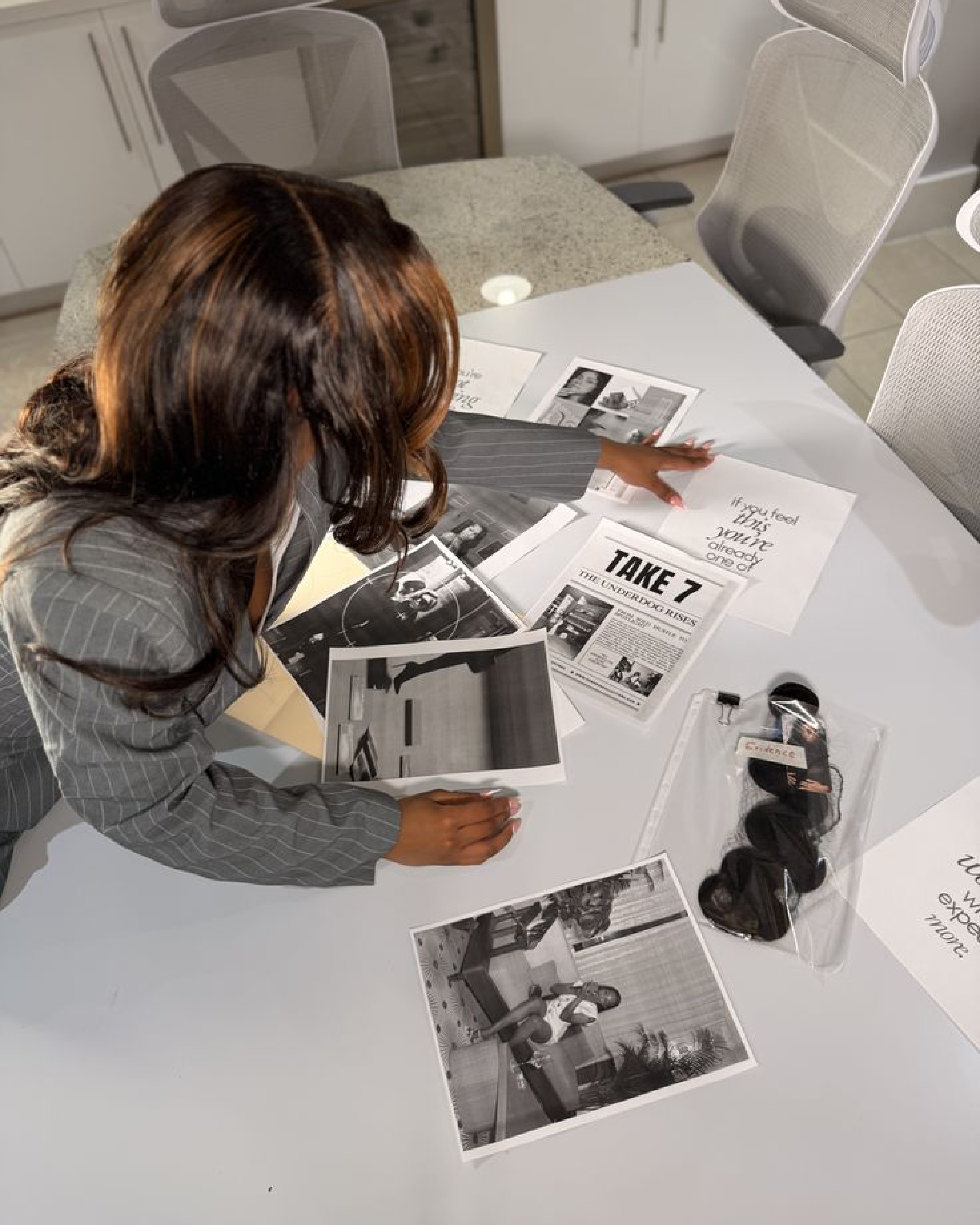
Brand strategy sounds straightforward until someone is actually sitting across from a client trying to do it. Where does the session start? What needs to be uncovered? And how does a conversation – often with someone who has never thought about their brand in strategic terms – turn into a foundation strong enough to design from?

These are the key stages that separate a productive brand strategy session from a nice chat with a mood board at the end.

Before the session: preparation

A strategy session only works when the homework has already been done. Reviewing the client's current brand (if one exists), studying the market, analysing competitors, and forming an initial perspective on where the opportunities might sit – all of this happens before the conversation begins.

A structured discussion guide is essential. Knowing what needs to come out of the session and designing questions to get there. Winging it might feel creative in the moment, but it almost always produces surface-level conversations with nothing concrete to design from.

Understanding the business

The fundamentals come first. What does the business do, who does it serve, what problem is it solving, and where is it headed? These aren't glamorous questions, but they're non-negotiable. A brand cannot be positioned if the business model and ambitions behind it aren't understood. This stage grounds everything that follows.

Audience and market

This is where specificity matters. Who is the target audience – not just demographically, but psychographically? What do they value? What are they currently choosing and why? What's missing in the market that this brand could own?

Then the competitive landscape. Who else is operating in this space? How are they positioned? Where are the white spaces? The goal is finding a strategic territory the brand can genuinely occupy – something meaningful to the audience and distinct from what already exists.

Brand personality and positioning

This is the territory that directly informs visual work. If the brand were a person, how would it speak? What would it wear? How would it make someone feel walking into a room?

It's not an exercise in fluffy adjectives. It's the bridge between strategy and creative direction. A brand that's "refined, warm, and quietly confident" will look completely different from one that's "bold, disruptive, and unapologetic." Getting this right gives the visual identity somewhere specific to land instead of floating in a sea of nice-looking options with no anchor.

Positioning brings it all together. Given the audience, the market, and the personality – where exactly does this brand sit? What is the one thing it offers that nobody else does in quite the same way?

The session itself is raw material. The real work happens after – synthesising hours of conversation into clear, decisive strategic pillars that become the foundation for every visual decision.

A strong strategy document should feel sharp. If it reads like it could apply to any brand in the same category, it's not specific enough. The best strategy work makes a client see their own brand differently. That's when it's doing its job.

SUBSCRIBE

The ultimate guide for the modern brand owner, delivered straight to your inbox.
Thank you for subscribing!
Oops! Something went wrong while submitting the form.
Share button
linkedinpinterestmail
Strategy

How to Run a Brand Strategy Session From Start to Finish

Brand strategy sounds straightforward until someone is actually sitting across from a client trying to do it. Where does the session start? What needs to be uncovered? And how does a conversation – often with someone who has never thought about their brand in strategic terms – turn into a foundation strong enough to design from?

By
The Desiree Team
April 22, 2026
Pinterest

These are the key stages that separate a productive brand strategy session from a nice chat with a mood board at the end.

Before the session: preparation

A strategy session only works when the homework has already been done. Reviewing the client's current brand (if one exists), studying the market, analysing competitors, and forming an initial perspective on where the opportunities might sit – all of this happens before the conversation begins.

A structured discussion guide is essential. Knowing what needs to come out of the session and designing questions to get there. Winging it might feel creative in the moment, but it almost always produces surface-level conversations with nothing concrete to design from.

Understanding the business

The fundamentals come first. What does the business do, who does it serve, what problem is it solving, and where is it headed? These aren't glamorous questions, but they're non-negotiable. A brand cannot be positioned if the business model and ambitions behind it aren't understood. This stage grounds everything that follows.

Audience and market

This is where specificity matters. Who is the target audience – not just demographically, but psychographically? What do they value? What are they currently choosing and why? What's missing in the market that this brand could own?

Then the competitive landscape. Who else is operating in this space? How are they positioned? Where are the white spaces? The goal is finding a strategic territory the brand can genuinely occupy – something meaningful to the audience and distinct from what already exists.

Brand personality and positioning

This is the territory that directly informs visual work. If the brand were a person, how would it speak? What would it wear? How would it make someone feel walking into a room?

It's not an exercise in fluffy adjectives. It's the bridge between strategy and creative direction. A brand that's "refined, warm, and quietly confident" will look completely different from one that's "bold, disruptive, and unapologetic." Getting this right gives the visual identity somewhere specific to land instead of floating in a sea of nice-looking options with no anchor.

Positioning brings it all together. Given the audience, the market, and the personality – where exactly does this brand sit? What is the one thing it offers that nobody else does in quite the same way?

The session itself is raw material. The real work happens after – synthesising hours of conversation into clear, decisive strategic pillars that become the foundation for every visual decision.

A strong strategy document should feel sharp. If it reads like it could apply to any brand in the same category, it's not specific enough. The best strategy work makes a client see their own brand differently. That's when it's doing its job.

Share button
linkedinpinterestmail
Strategy

How to Run a Brand Strategy Session From Start to Finish

Brand strategy sounds straightforward until someone is actually sitting across from a client trying to do it. Where does the session start? What needs to be uncovered? And how does a conversation – often with someone who has never thought about their brand in strategic terms – turn into a foundation strong enough to design from?

By
The Desiree Team
April 22, 2026
Pinterest

These are the key stages that separate a productive brand strategy session from a nice chat with a mood board at the end.

Before the session: preparation

A strategy session only works when the homework has already been done. Reviewing the client's current brand (if one exists), studying the market, analysing competitors, and forming an initial perspective on where the opportunities might sit – all of this happens before the conversation begins.

A structured discussion guide is essential. Knowing what needs to come out of the session and designing questions to get there. Winging it might feel creative in the moment, but it almost always produces surface-level conversations with nothing concrete to design from.

Understanding the business

The fundamentals come first. What does the business do, who does it serve, what problem is it solving, and where is it headed? These aren't glamorous questions, but they're non-negotiable. A brand cannot be positioned if the business model and ambitions behind it aren't understood. This stage grounds everything that follows.

Audience and market

This is where specificity matters. Who is the target audience – not just demographically, but psychographically? What do they value? What are they currently choosing and why? What's missing in the market that this brand could own?

Then the competitive landscape. Who else is operating in this space? How are they positioned? Where are the white spaces? The goal is finding a strategic territory the brand can genuinely occupy – something meaningful to the audience and distinct from what already exists.

Brand personality and positioning

This is the territory that directly informs visual work. If the brand were a person, how would it speak? What would it wear? How would it make someone feel walking into a room?

It's not an exercise in fluffy adjectives. It's the bridge between strategy and creative direction. A brand that's "refined, warm, and quietly confident" will look completely different from one that's "bold, disruptive, and unapologetic." Getting this right gives the visual identity somewhere specific to land instead of floating in a sea of nice-looking options with no anchor.

Positioning brings it all together. Given the audience, the market, and the personality – where exactly does this brand sit? What is the one thing it offers that nobody else does in quite the same way?

The session itself is raw material. The real work happens after – synthesising hours of conversation into clear, decisive strategic pillars that become the foundation for every visual decision.

A strong strategy document should feel sharp. If it reads like it could apply to any brand in the same category, it's not specific enough. The best strategy work makes a client see their own brand differently. That's when it's doing its job.

Share button
linkedinpinterestmail
Strategy

How to Run a Brand Strategy Session From Start to Finish

By
The Desiree Team
April 22, 2026
Pinterest
Brand strategy sounds straightforward until someone is actually sitting across from a client trying to do it. Where does the session start? What needs to be uncovered? And how does a conversation – often with someone who has never thought about their brand in strategic terms – turn into a foundation strong enough to design from?

While the brands mentioned are not sponsored or paid advertisements, some of the products highlighted may earn us a commission.

Sign up for our newsletter to receive the latest brand news and insights from Brand Insider.

Share button
linkedinpinterestmail