Strategy

Hailey Bieber's Billion-Dollar Problem: Can a Brand Built on Hype Become a Legacy?

By
Desiree Team
June 26, 2026
@haileybieber
Hailey Bieber says she wants Rhode to be a legacy brand, then admits she's afraid of the fatigue that kills beauty brands fast. Turns out the engine that built Rhode is the very thing standing between her and forever.

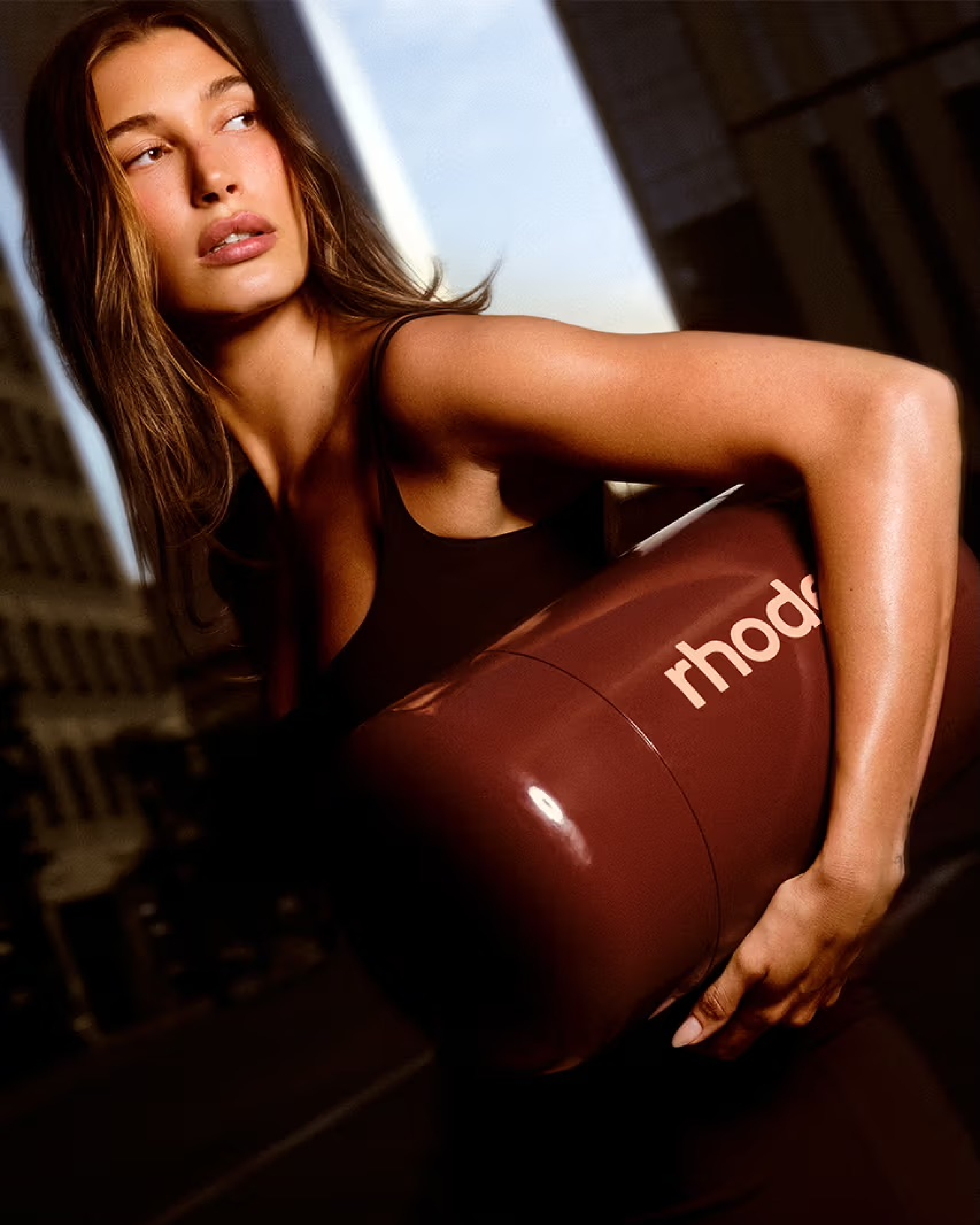
Hailey Bieber has been clear about what she wants Rhode to become, and the word she uses is legacy. She wants the kind of brand that stands the test of time, that is still here and still itself in twenty years, and after four years and a string of records, she has earned the right to say it out loud. The first part of this series looked at the world Rhode has built, the one customers will queue for hours to step inside, and this part is about the harder question sitting underneath it, which is whether a world made that way can be made to last. The interesting part is what she said almost in the same breath, because she also named the thing that frightens her, which is fatigue. People move on from things very easily now, she said, and there is always something new in beauty, so the question she keeps putting to her own team is how they keep it fresh and how they stay true to their point of view at the same time. That worry is honest and unusually self-aware, and it points to a genuine tension sitting right at the centre of the brand she is building.

The tension is this. Legacy is built on constancy. It rests on the reassurance of the familiar, on a customer's quiet trust that the thing they fell for will still be there and still be recognisable, on a brand resisting the urge to reinvent itself every season. The drop economy that built Rhode runs on the opposite logic entirely, rewarding novelty and scarcity and the engineered sense that you might miss out if you hesitate, and it has to be fed something new on a relentless schedule to keep working. Rhode's summer collection logged the largest waitlist in the brand's history, more than 700,000 sign-ups, and that number is a triumph of the second logic rather than the first. It measures appetite for the new, and appetite for the new is a harder thing to convert into the patient loyalty that legacy actually requires.

The numbers around Rhode explain why this question matters rather than settling it. A year on from being acquired by Elf Beauty, the brand reached roughly 390 million dollars at eighty per cent growth, with global retail sales somewhere around half a billion and a stated ambition, from chief executive Nick Vlahos, of reaching a billion, though he has been careful not to attach a timeline to it. Elf's framing of the acquisition was telling, that it wanted to amplify the brand rather than change it, and most of that amplification has taken the form of the unglamorous machinery that scale demands. Distribution moved to a facility in the Netherlands, cutting delivery windows from a week to a matter of days. A Sephora rollout is reaching nineteen new European markets. The brand is entering Latin America through Mexico, and its international business already accounts for a fifth of direct sales and nearly three quarters of its social following. The romance of Rhode is Bieber and the feeling she sells, the experiences and the nostalgia she talks about wanting to give people. The value Elf bought is the supply chain and the retail footprint capable of putting that feeling in front of far more of them.

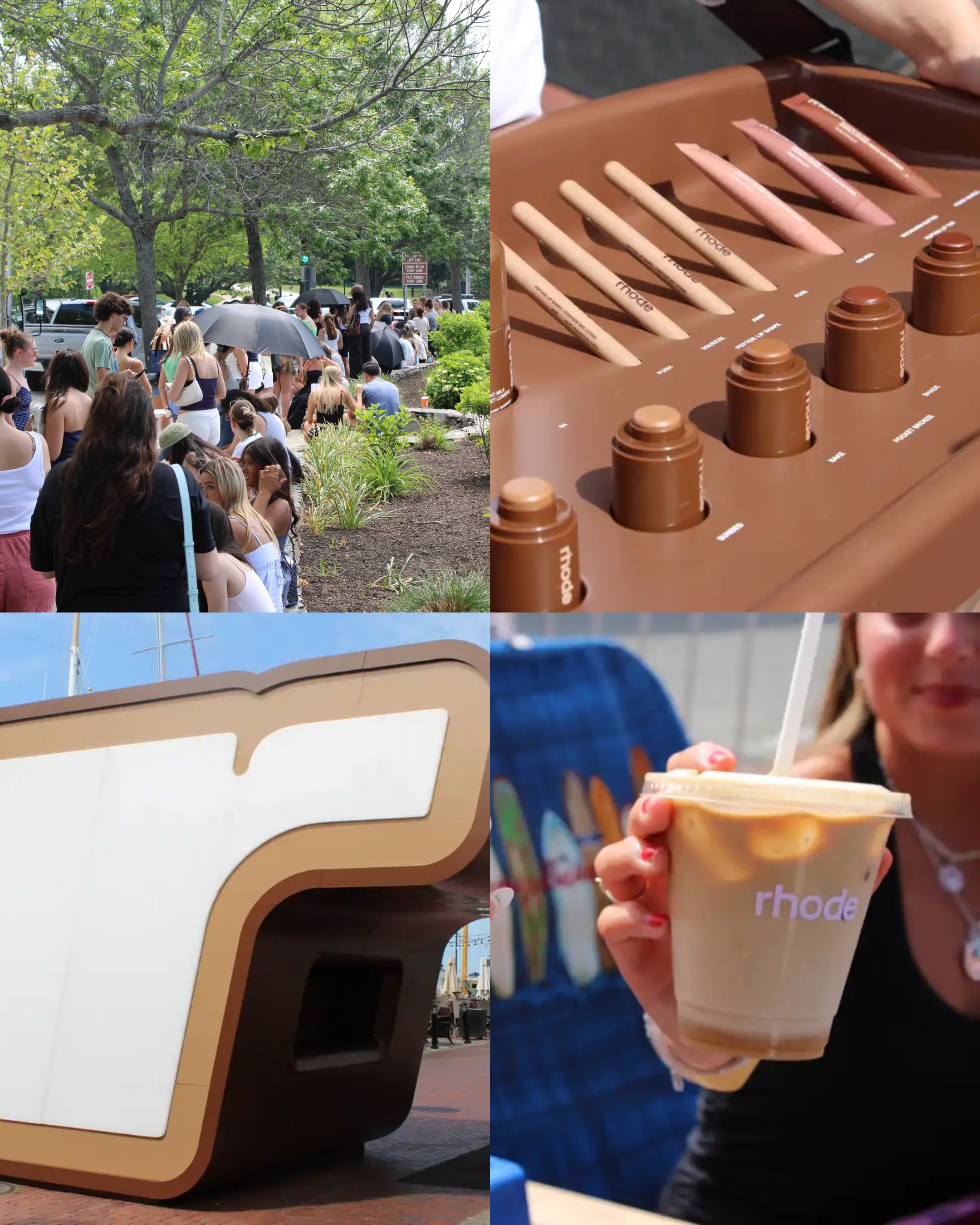
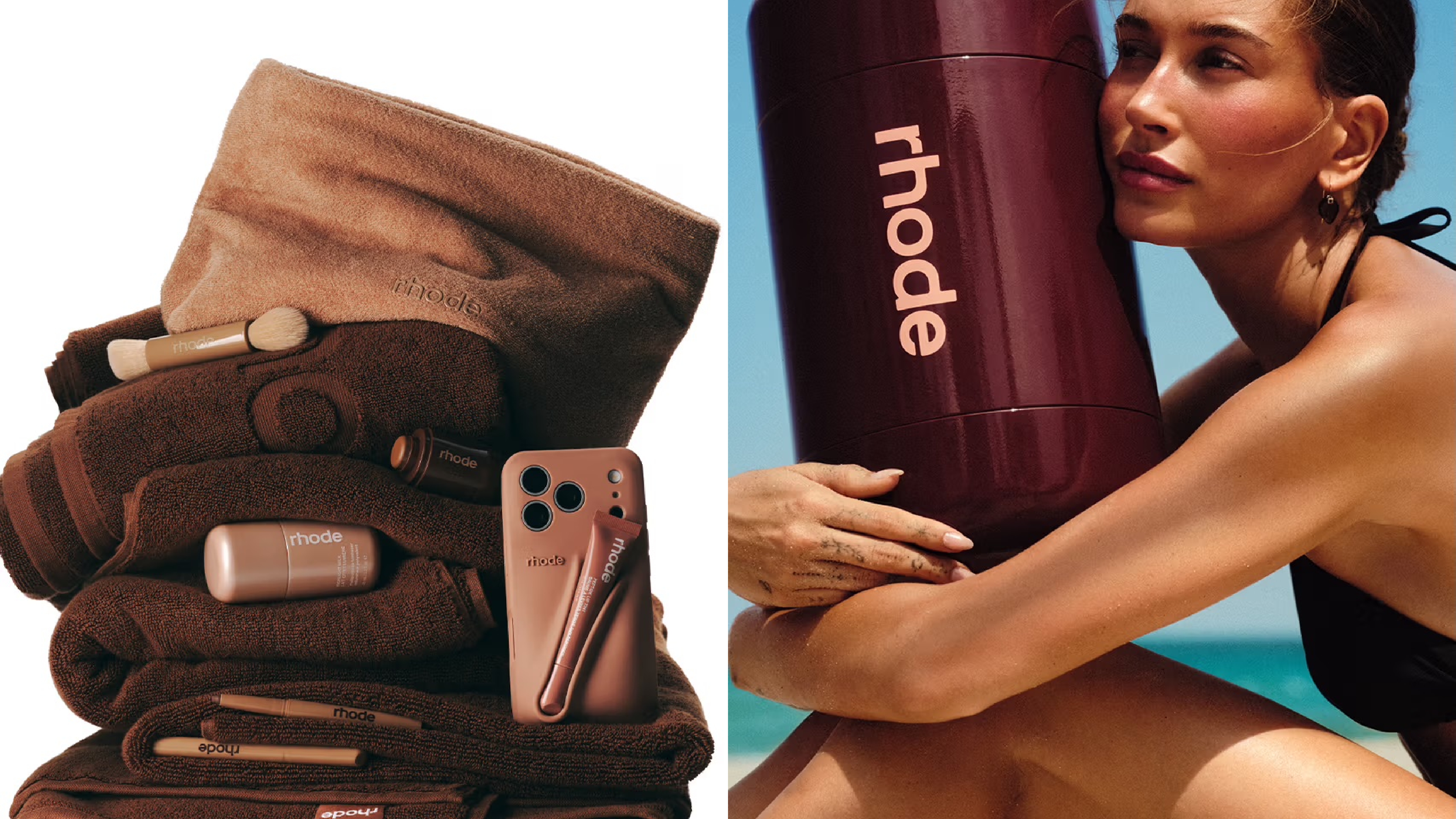
This is where the hard part lives, and it is a problem nobody in beauty has cleanly solved. Selling three products a second at Sephora's launch weekend and making someone wait half a day in a small Rhode Island town for a pop-up are two very different promises, and Rhode is currently making both at once. The first promise is abundance, the assurance that the brand is everywhere you want it and easy to reach. The second is scarcity, the thrill of the thing that is hard to get and therefore worth the wait. Scarcity is what made people queue in the first place, and the more aggressively a brand scales its distribution the more it risks eroding the very quality that built the desire. Rhode's leadership talks about wanting to keep one of everything really good, a philosophy of restraint and curation that is genuinely admirable, and yet the same summer that produced that line also produced five new products plus a towel, a bag, a brush and two phone cases. The instinct toward restraint and the pressure to keep feeding the cycle are pulling in opposite directions inside the same company.

None of this is a prediction that Rhode will falter, because for now the willingness to keep treating each arrival as an event holds, and the lines down the Newport harbour suggest it holds very easily. What it does mean is that Rhode has become the clearest live test of a question every culturally powerful brand eventually faces, which is whether virality can be converted into permanence or whether the two are fundamentally at odds. Plenty of brands have been loved intensely for a season and then quietly abandoned, and the graveyard of beauty is full of names that mistook a moment for a foundation. Rhode is trying to do the harder thing, to take the heat of the moment and slow it into something lasting, and Bieber's own stated worry about fatigue suggests she knows precisely how narrow that path is.

The thing to watch is not the next waitlist or the next sold-out drop, both of which Rhode will almost certainly deliver. It is the moment the world gets large enough and available enough that stepping into it stops feeling like a privilege, because that is the moment a brand discovers what it has actually built. Bieber says she wants to give people experiences, nostalgia and a feeling, and those are exactly the things that legacy is made of when they are allowed to settle and repeat. Whether Rhode can hold still long enough to let them settle, while an engine designed for constant motion runs underneath it, is the most interesting question in beauty this summer, and the answer will take years rather than seasons to arrive.

SUBSCRIBE

The ultimate guide for the modern brand owner, delivered straight to your inbox.
Thank you for subscribing!
Oops! Something went wrong while submitting the form.
Share button
linkedinpinterestmail
Strategy

Hailey Bieber's Billion-Dollar Problem: Can a Brand Built on Hype Become a Legacy?

Hailey Bieber says she wants Rhode to be a legacy brand, then admits she's afraid of the fatigue that kills beauty brands fast. Turns out the engine that built Rhode is the very thing standing between her and forever.

By
Desiree Team
June 26, 2026
@haileybieber

Hailey Bieber has been clear about what she wants Rhode to become, and the word she uses is legacy. She wants the kind of brand that stands the test of time, that is still here and still itself in twenty years, and after four years and a string of records, she has earned the right to say it out loud. The first part of this series looked at the world Rhode has built, the one customers will queue for hours to step inside, and this part is about the harder question sitting underneath it, which is whether a world made that way can be made to last. The interesting part is what she said almost in the same breath, because she also named the thing that frightens her, which is fatigue. People move on from things very easily now, she said, and there is always something new in beauty, so the question she keeps putting to her own team is how they keep it fresh and how they stay true to their point of view at the same time. That worry is honest and unusually self-aware, and it points to a genuine tension sitting right at the centre of the brand she is building.

The tension is this. Legacy is built on constancy. It rests on the reassurance of the familiar, on a customer's quiet trust that the thing they fell for will still be there and still be recognisable, on a brand resisting the urge to reinvent itself every season. The drop economy that built Rhode runs on the opposite logic entirely, rewarding novelty and scarcity and the engineered sense that you might miss out if you hesitate, and it has to be fed something new on a relentless schedule to keep working. Rhode's summer collection logged the largest waitlist in the brand's history, more than 700,000 sign-ups, and that number is a triumph of the second logic rather than the first. It measures appetite for the new, and appetite for the new is a harder thing to convert into the patient loyalty that legacy actually requires.

The numbers around Rhode explain why this question matters rather than settling it. A year on from being acquired by Elf Beauty, the brand reached roughly 390 million dollars at eighty per cent growth, with global retail sales somewhere around half a billion and a stated ambition, from chief executive Nick Vlahos, of reaching a billion, though he has been careful not to attach a timeline to it. Elf's framing of the acquisition was telling, that it wanted to amplify the brand rather than change it, and most of that amplification has taken the form of the unglamorous machinery that scale demands. Distribution moved to a facility in the Netherlands, cutting delivery windows from a week to a matter of days. A Sephora rollout is reaching nineteen new European markets. The brand is entering Latin America through Mexico, and its international business already accounts for a fifth of direct sales and nearly three quarters of its social following. The romance of Rhode is Bieber and the feeling she sells, the experiences and the nostalgia she talks about wanting to give people. The value Elf bought is the supply chain and the retail footprint capable of putting that feeling in front of far more of them.

This is where the hard part lives, and it is a problem nobody in beauty has cleanly solved. Selling three products a second at Sephora's launch weekend and making someone wait half a day in a small Rhode Island town for a pop-up are two very different promises, and Rhode is currently making both at once. The first promise is abundance, the assurance that the brand is everywhere you want it and easy to reach. The second is scarcity, the thrill of the thing that is hard to get and therefore worth the wait. Scarcity is what made people queue in the first place, and the more aggressively a brand scales its distribution the more it risks eroding the very quality that built the desire. Rhode's leadership talks about wanting to keep one of everything really good, a philosophy of restraint and curation that is genuinely admirable, and yet the same summer that produced that line also produced five new products plus a towel, a bag, a brush and two phone cases. The instinct toward restraint and the pressure to keep feeding the cycle are pulling in opposite directions inside the same company.

None of this is a prediction that Rhode will falter, because for now the willingness to keep treating each arrival as an event holds, and the lines down the Newport harbour suggest it holds very easily. What it does mean is that Rhode has become the clearest live test of a question every culturally powerful brand eventually faces, which is whether virality can be converted into permanence or whether the two are fundamentally at odds. Plenty of brands have been loved intensely for a season and then quietly abandoned, and the graveyard of beauty is full of names that mistook a moment for a foundation. Rhode is trying to do the harder thing, to take the heat of the moment and slow it into something lasting, and Bieber's own stated worry about fatigue suggests she knows precisely how narrow that path is.

The thing to watch is not the next waitlist or the next sold-out drop, both of which Rhode will almost certainly deliver. It is the moment the world gets large enough and available enough that stepping into it stops feeling like a privilege, because that is the moment a brand discovers what it has actually built. Bieber says she wants to give people experiences, nostalgia and a feeling, and those are exactly the things that legacy is made of when they are allowed to settle and repeat. Whether Rhode can hold still long enough to let them settle, while an engine designed for constant motion runs underneath it, is the most interesting question in beauty this summer, and the answer will take years rather than seasons to arrive.

Share button
linkedinpinterestmail
Strategy

Hailey Bieber's Billion-Dollar Problem: Can a Brand Built on Hype Become a Legacy?

Hailey Bieber says she wants Rhode to be a legacy brand, then admits she's afraid of the fatigue that kills beauty brands fast. Turns out the engine that built Rhode is the very thing standing between her and forever.

By
Desiree Team
June 26, 2026
@haileybieber

Hailey Bieber has been clear about what she wants Rhode to become, and the word she uses is legacy. She wants the kind of brand that stands the test of time, that is still here and still itself in twenty years, and after four years and a string of records, she has earned the right to say it out loud. The first part of this series looked at the world Rhode has built, the one customers will queue for hours to step inside, and this part is about the harder question sitting underneath it, which is whether a world made that way can be made to last. The interesting part is what she said almost in the same breath, because she also named the thing that frightens her, which is fatigue. People move on from things very easily now, she said, and there is always something new in beauty, so the question she keeps putting to her own team is how they keep it fresh and how they stay true to their point of view at the same time. That worry is honest and unusually self-aware, and it points to a genuine tension sitting right at the centre of the brand she is building.

The tension is this. Legacy is built on constancy. It rests on the reassurance of the familiar, on a customer's quiet trust that the thing they fell for will still be there and still be recognisable, on a brand resisting the urge to reinvent itself every season. The drop economy that built Rhode runs on the opposite logic entirely, rewarding novelty and scarcity and the engineered sense that you might miss out if you hesitate, and it has to be fed something new on a relentless schedule to keep working. Rhode's summer collection logged the largest waitlist in the brand's history, more than 700,000 sign-ups, and that number is a triumph of the second logic rather than the first. It measures appetite for the new, and appetite for the new is a harder thing to convert into the patient loyalty that legacy actually requires.

The numbers around Rhode explain why this question matters rather than settling it. A year on from being acquired by Elf Beauty, the brand reached roughly 390 million dollars at eighty per cent growth, with global retail sales somewhere around half a billion and a stated ambition, from chief executive Nick Vlahos, of reaching a billion, though he has been careful not to attach a timeline to it. Elf's framing of the acquisition was telling, that it wanted to amplify the brand rather than change it, and most of that amplification has taken the form of the unglamorous machinery that scale demands. Distribution moved to a facility in the Netherlands, cutting delivery windows from a week to a matter of days. A Sephora rollout is reaching nineteen new European markets. The brand is entering Latin America through Mexico, and its international business already accounts for a fifth of direct sales and nearly three quarters of its social following. The romance of Rhode is Bieber and the feeling she sells, the experiences and the nostalgia she talks about wanting to give people. The value Elf bought is the supply chain and the retail footprint capable of putting that feeling in front of far more of them.

This is where the hard part lives, and it is a problem nobody in beauty has cleanly solved. Selling three products a second at Sephora's launch weekend and making someone wait half a day in a small Rhode Island town for a pop-up are two very different promises, and Rhode is currently making both at once. The first promise is abundance, the assurance that the brand is everywhere you want it and easy to reach. The second is scarcity, the thrill of the thing that is hard to get and therefore worth the wait. Scarcity is what made people queue in the first place, and the more aggressively a brand scales its distribution the more it risks eroding the very quality that built the desire. Rhode's leadership talks about wanting to keep one of everything really good, a philosophy of restraint and curation that is genuinely admirable, and yet the same summer that produced that line also produced five new products plus a towel, a bag, a brush and two phone cases. The instinct toward restraint and the pressure to keep feeding the cycle are pulling in opposite directions inside the same company.

None of this is a prediction that Rhode will falter, because for now the willingness to keep treating each arrival as an event holds, and the lines down the Newport harbour suggest it holds very easily. What it does mean is that Rhode has become the clearest live test of a question every culturally powerful brand eventually faces, which is whether virality can be converted into permanence or whether the two are fundamentally at odds. Plenty of brands have been loved intensely for a season and then quietly abandoned, and the graveyard of beauty is full of names that mistook a moment for a foundation. Rhode is trying to do the harder thing, to take the heat of the moment and slow it into something lasting, and Bieber's own stated worry about fatigue suggests she knows precisely how narrow that path is.

The thing to watch is not the next waitlist or the next sold-out drop, both of which Rhode will almost certainly deliver. It is the moment the world gets large enough and available enough that stepping into it stops feeling like a privilege, because that is the moment a brand discovers what it has actually built. Bieber says she wants to give people experiences, nostalgia and a feeling, and those are exactly the things that legacy is made of when they are allowed to settle and repeat. Whether Rhode can hold still long enough to let them settle, while an engine designed for constant motion runs underneath it, is the most interesting question in beauty this summer, and the answer will take years rather than seasons to arrive.

Share button
linkedinpinterestmail
Strategy

Hailey Bieber's Billion-Dollar Problem: Can a Brand Built on Hype Become a Legacy?

By
Desiree Team
June 26, 2026
@haileybieber
Hailey Bieber says she wants Rhode to be a legacy brand, then admits she's afraid of the fatigue that kills beauty brands fast. Turns out the engine that built Rhode is the very thing standing between her and forever.

While the brands mentioned are not sponsored or paid advertisements, some of the products highlighted may earn us a commission.

Sign up for our newsletter to receive the latest brand news and insights from Brand Insider.

Share button
linkedinpinterestmail