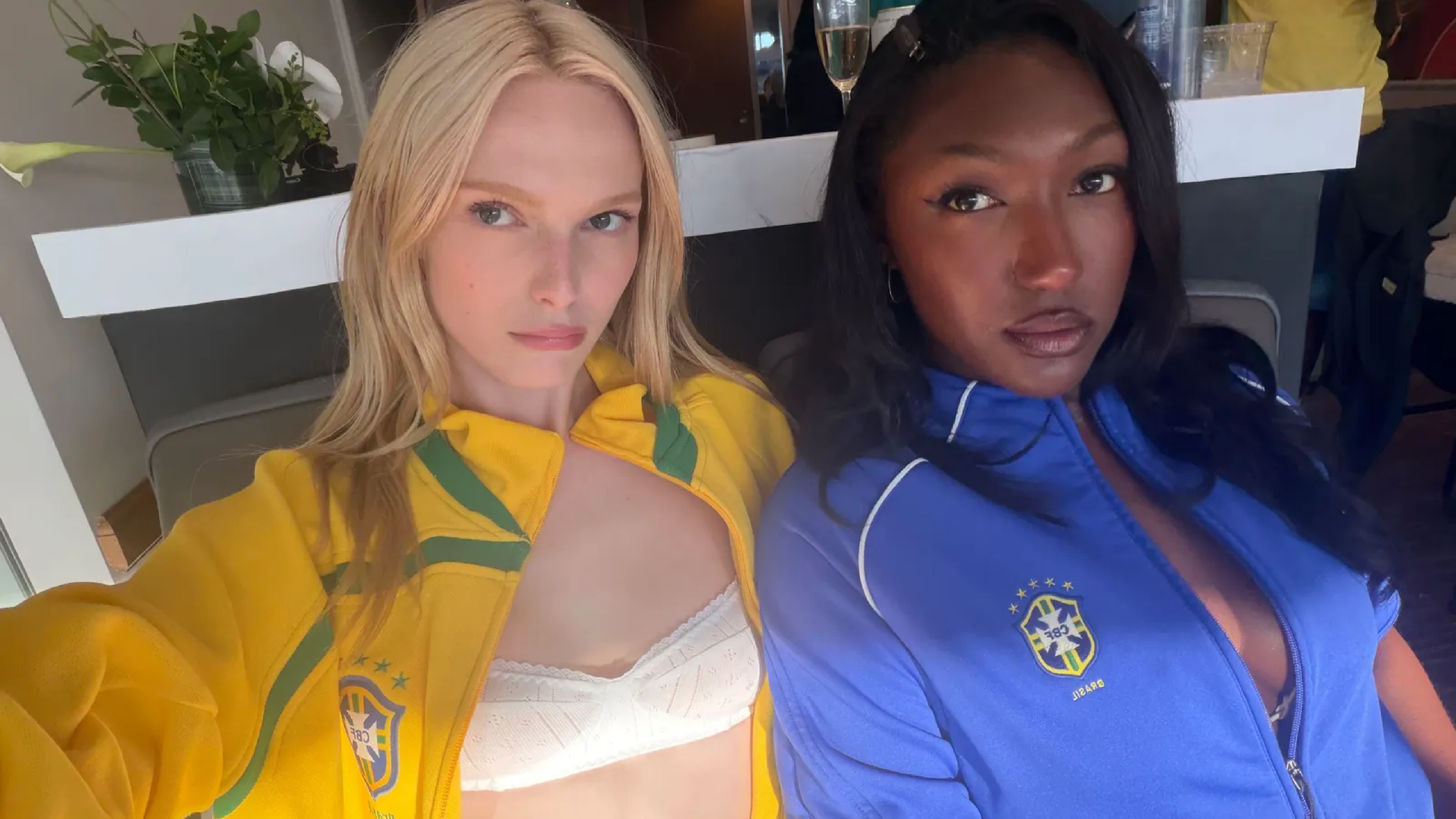
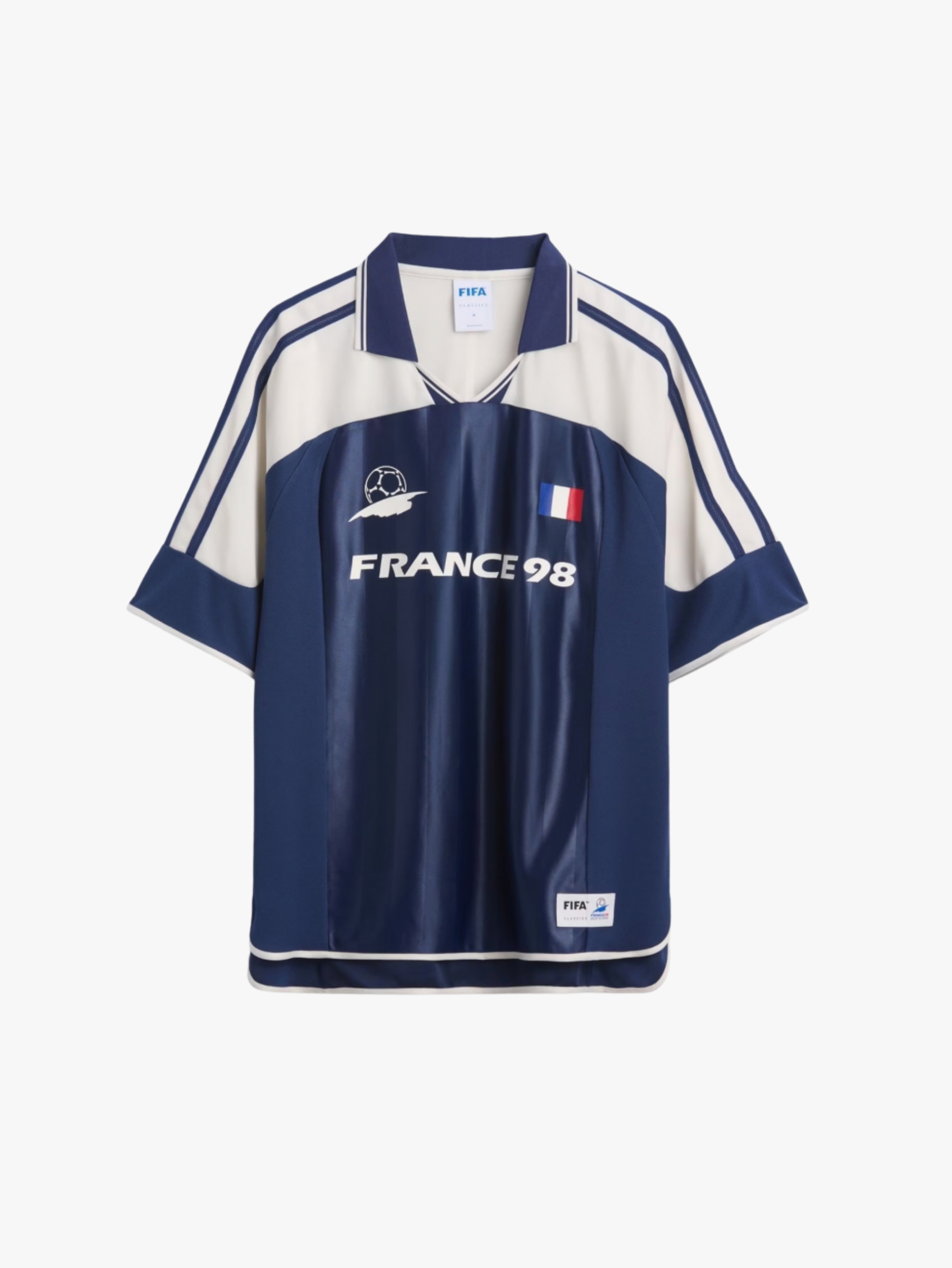
Somewhere between the last World Cup and this one, the football shirt stopped being a thing you wore to prove something and became a thing you wore because it looked good. You can see it on any feed this month, the jersey tucked into tailored trousers or skimming a pair of micro denim shorts in a silhouette lifted almost exactly from Victoria Beckham cheering David from the stands in 2006, styled now by women who could not necessarily name the starting eleven and have no intention of pretending otherwise. Match days have become social events that earn the same outfit consideration as a gallery opening, the terrace has quietly turned into a moodboard, and the conversation among the people driving the trend has moved from "name five players" to the far more revealing "which team has the best kit." The garment is the same; everything around it has changed.

The aesthetic used to be called blokecore, a term that traced back to the retro shirts and bucket hats of nineties terrace culture and the famous images of Blur and Oasis playing charity football in 1996, and the name always carried a faint whiff of the lads it described. This year it has been quietly rebranded FIFA Core, and the renaming is the entire story, because the bloke was never the point and is now barely in the room. What was once subcultural fan dress has become, in the language of the trend pieces stacking up across fashion media, proof that football is no longer only played but worn, a visual language available to anyone with an eye rather than a season ticket. When an aesthetic loses the word that tied it to its original owner, it has changed hands.
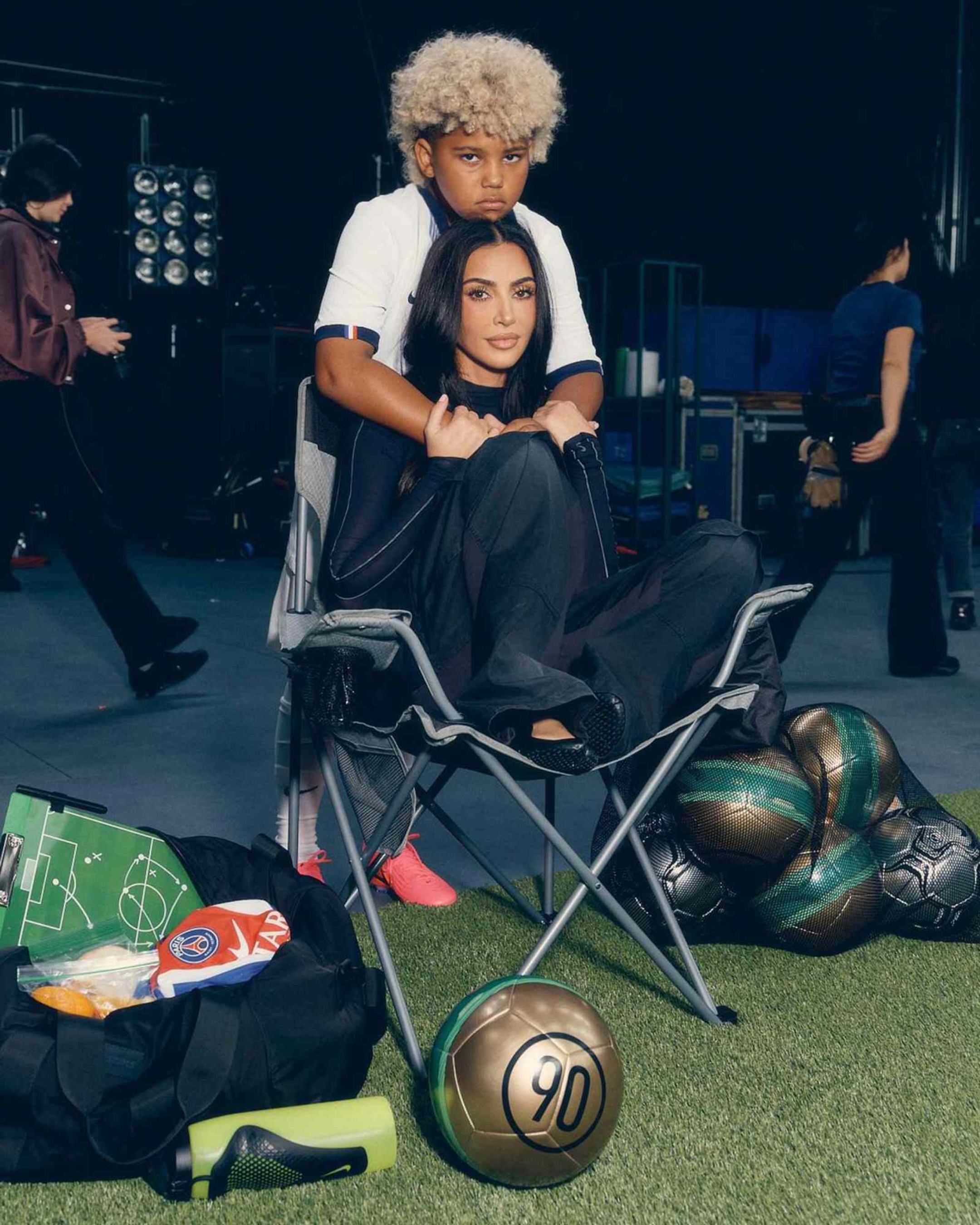
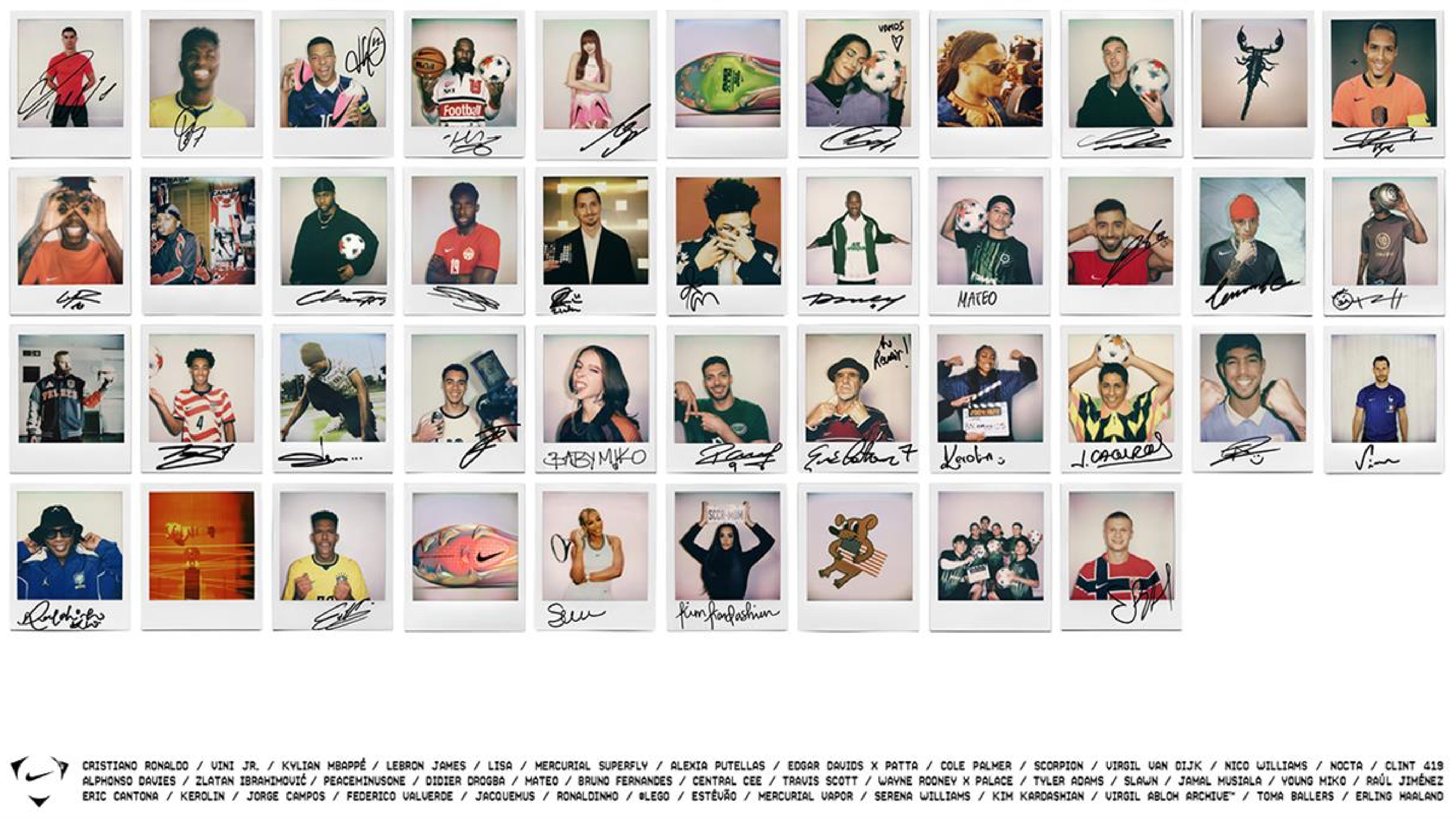
Brands have read this correctly and moved with real speed. Nike has effectively staged the World Cup as a fashion event through its X2 programme, pairing seven national federations with seven designers so that France runs through Jacquemus, England through the London skate label Palace, Canada through Drake's NOCTA, the Netherlands through Patta, Nigeria through the artist Slawn, South Korea through G-Dragon's PEACEMINUSONE and the United States through the Virgil Abloh Archive, each kit shaped by the federation and then reinterpreted as clothing built for the street. The Jacquemus capsule for Les Bleus, designed around a vintage navy tracksuit the designer wore as a boy and rendered in natural fabrics instead of performance mesh, is the clearest tell of the lot, a football collection engineered to read as ready-to-wear.
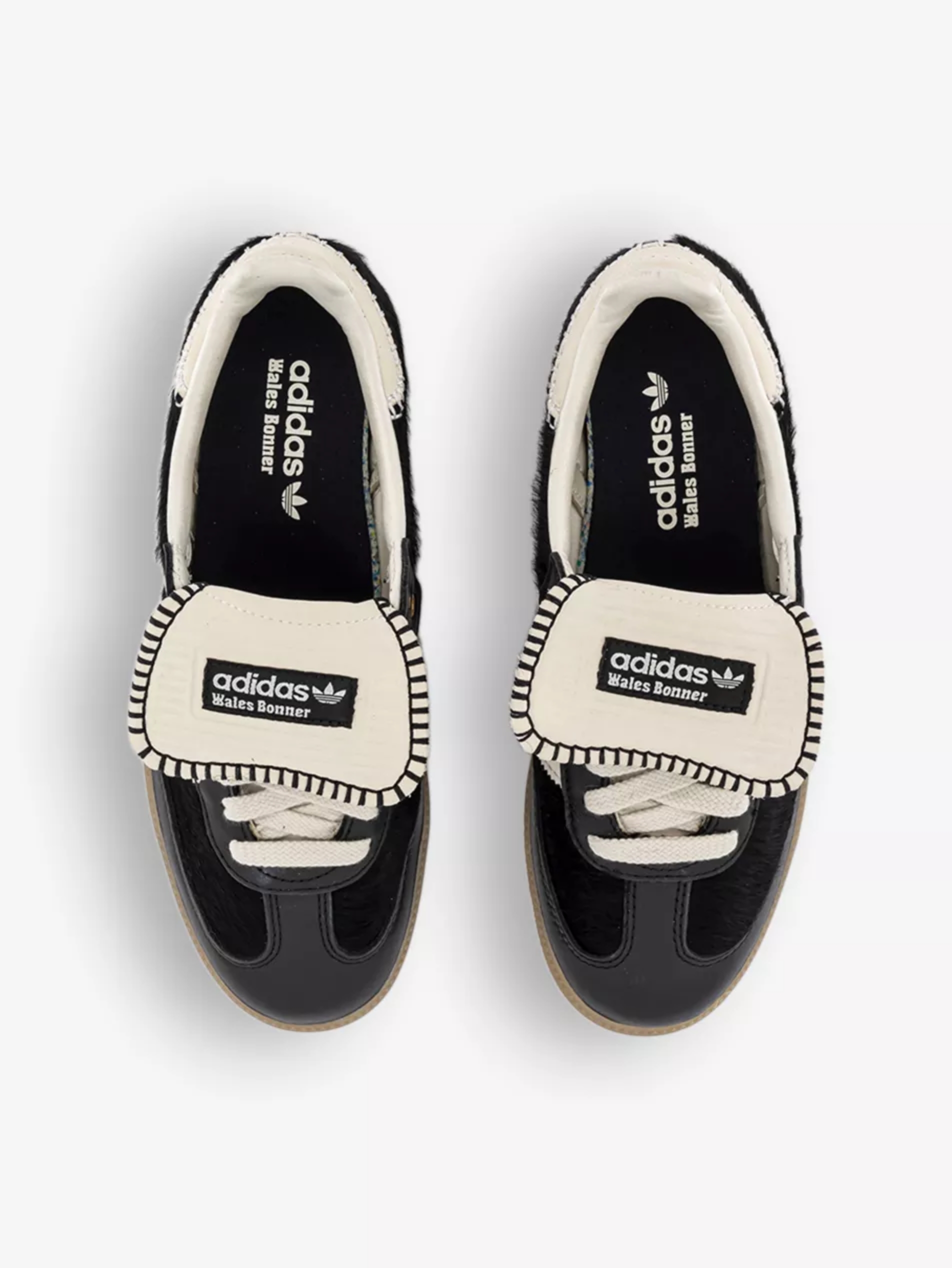
The luxury and high-street worlds have piled in behind it with the enthusiasm of an industry that has found a new room to sell into. Grace Wales Bonner has reissued Adidas's Predator boot in snake print, Tommy Hilfiger has partnered with Liverpool, Prada has produced a black leather football, Simone Rocha's autumn collection leant on the sport, and Romeo Beckham, born into the most famous family in football, has launched his own vintage-football label, Intra. Selfridges opened a World Cup pop-up and Bershka built capsules around Brazil and Argentina, and the fashion-house jersey, arriving via Loewe, Bottega Veneta and Miu Miu rather than the club shop, has become a wardrobe category in its own right rather than a novelty.
It would be easy to file all this as a costume trend with a tournament-length shelf life, and for some of these brands it will be exactly that. The number underneath the styling suggests otherwise. Women now make up around a third of the global football fanbase and the figure is still climbing, the last Women's World Cup exposed an enormous unmet appetite for kit designed with women in mind, most memorably when Nike declined to sell a replica of England goalkeeper Mary Earps' shirt and met a wall of fury for it, and clubs have since started hiring creative directors to build the off-pitch ranges their wealthiest supporters actually want to wear. What looks like fashion borrowing football for a season is closer to a market correcting itself in real time, finally addressing an audience it spent decades treating as incidental.
The strategic lesson for anyone building a brand near this sits in the renaming. An aesthetic that crosses from a subculture into the IT-girl's summer uniform no longer belongs to its original gatekeepers, and the brands that thrive are the ones dressing the new owner rather than guarding the old gate. The jersey has stopped being merchandise sold to people who needed to signal loyalty and become a fashion object sold to people who simply like how it looks, which is a far larger and more interesting market, and the houses treating fandom as something to style rather than something to prove are the ones who will still be in this conversation long after the final whistle. The bloke, for what it is worth, can keep the bucket hat.
THE EDIT
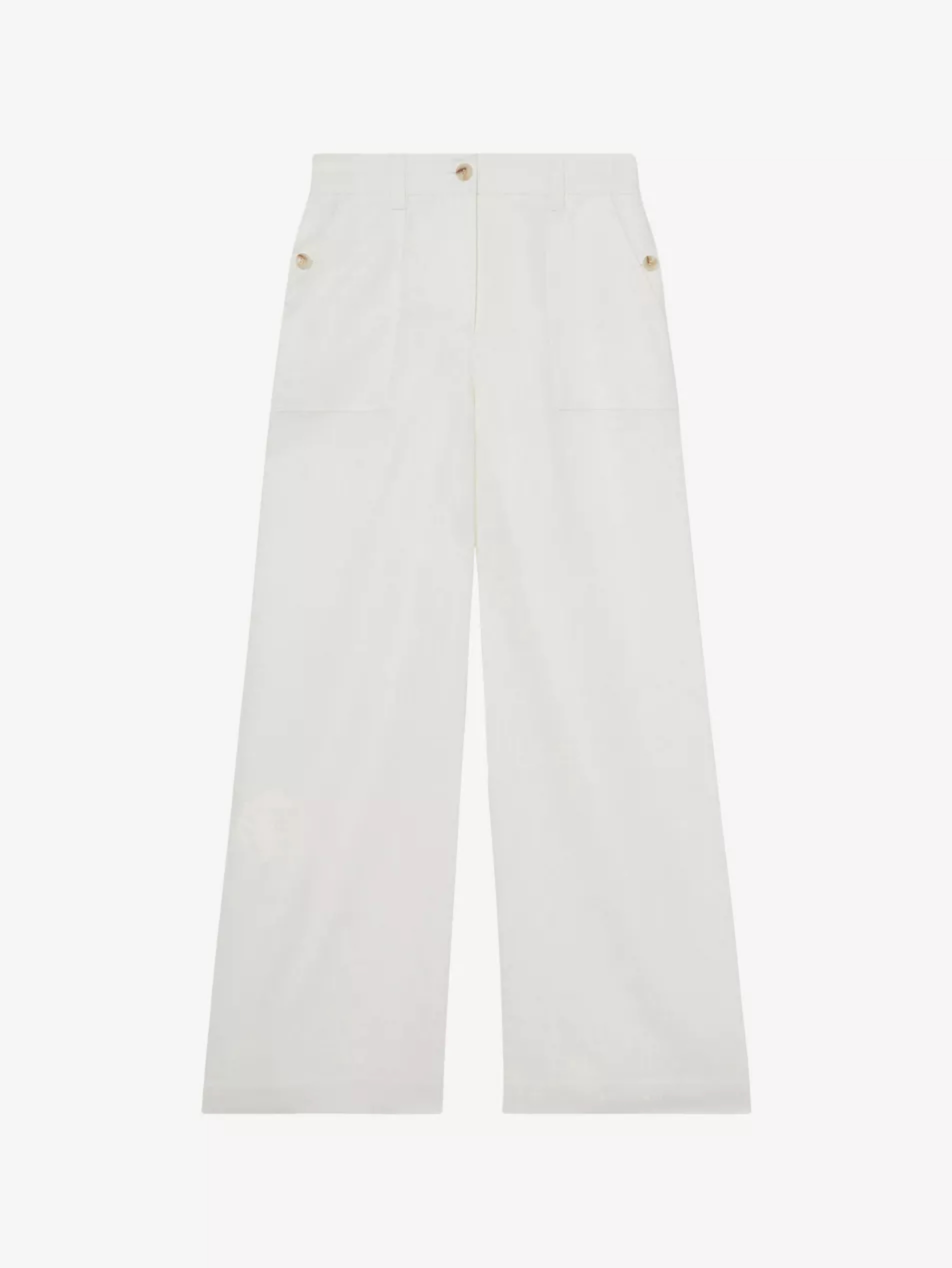
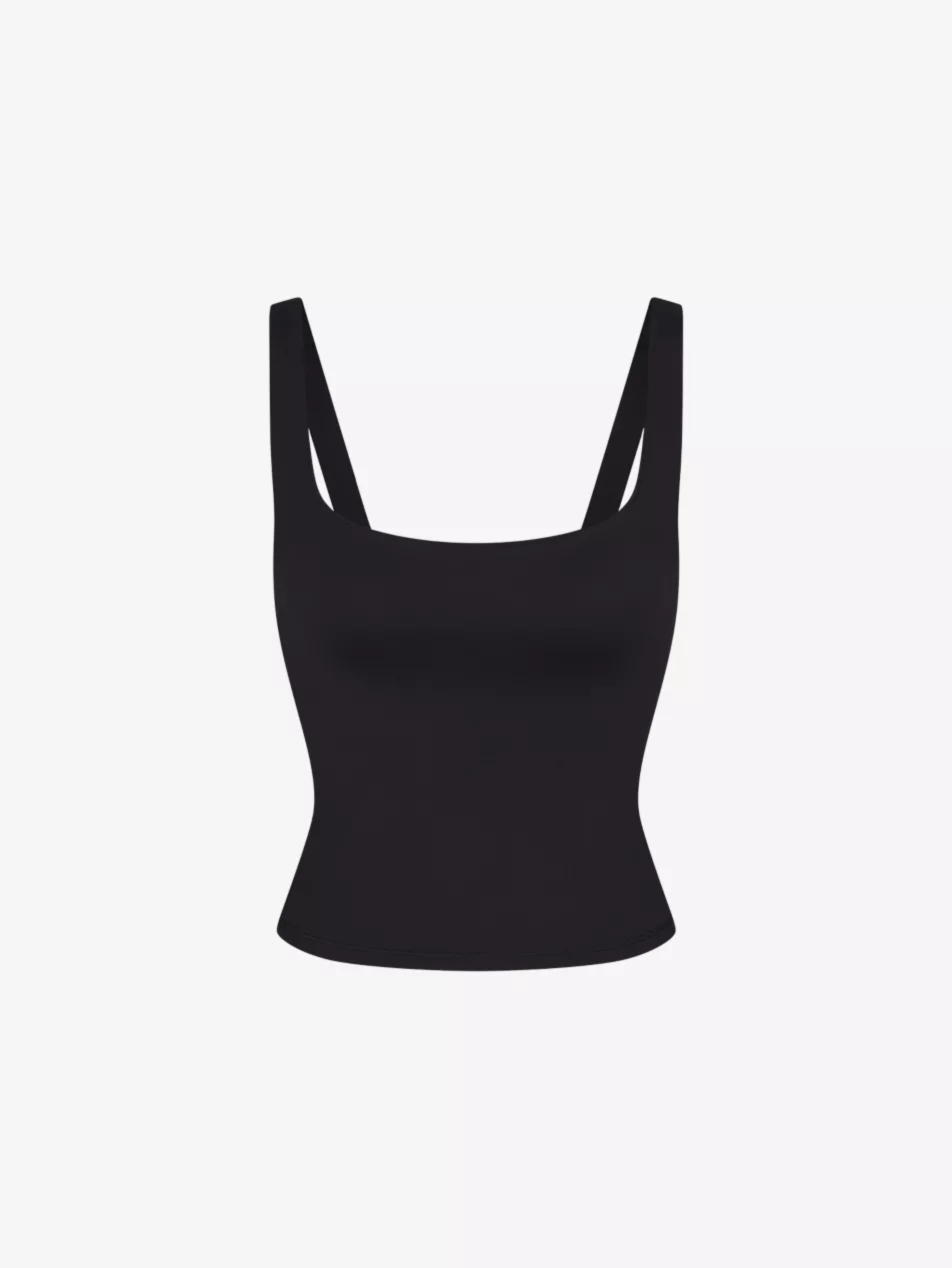
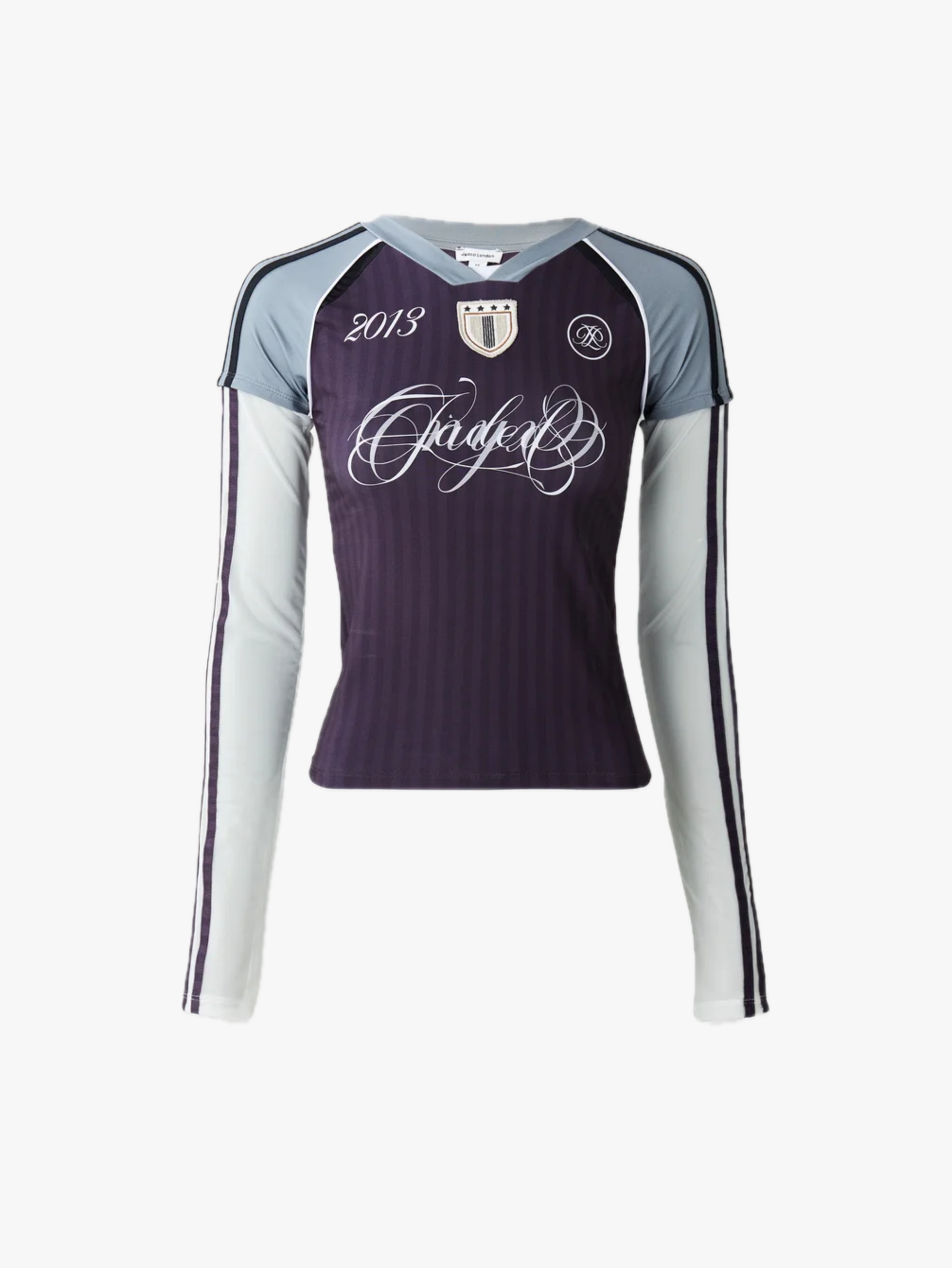
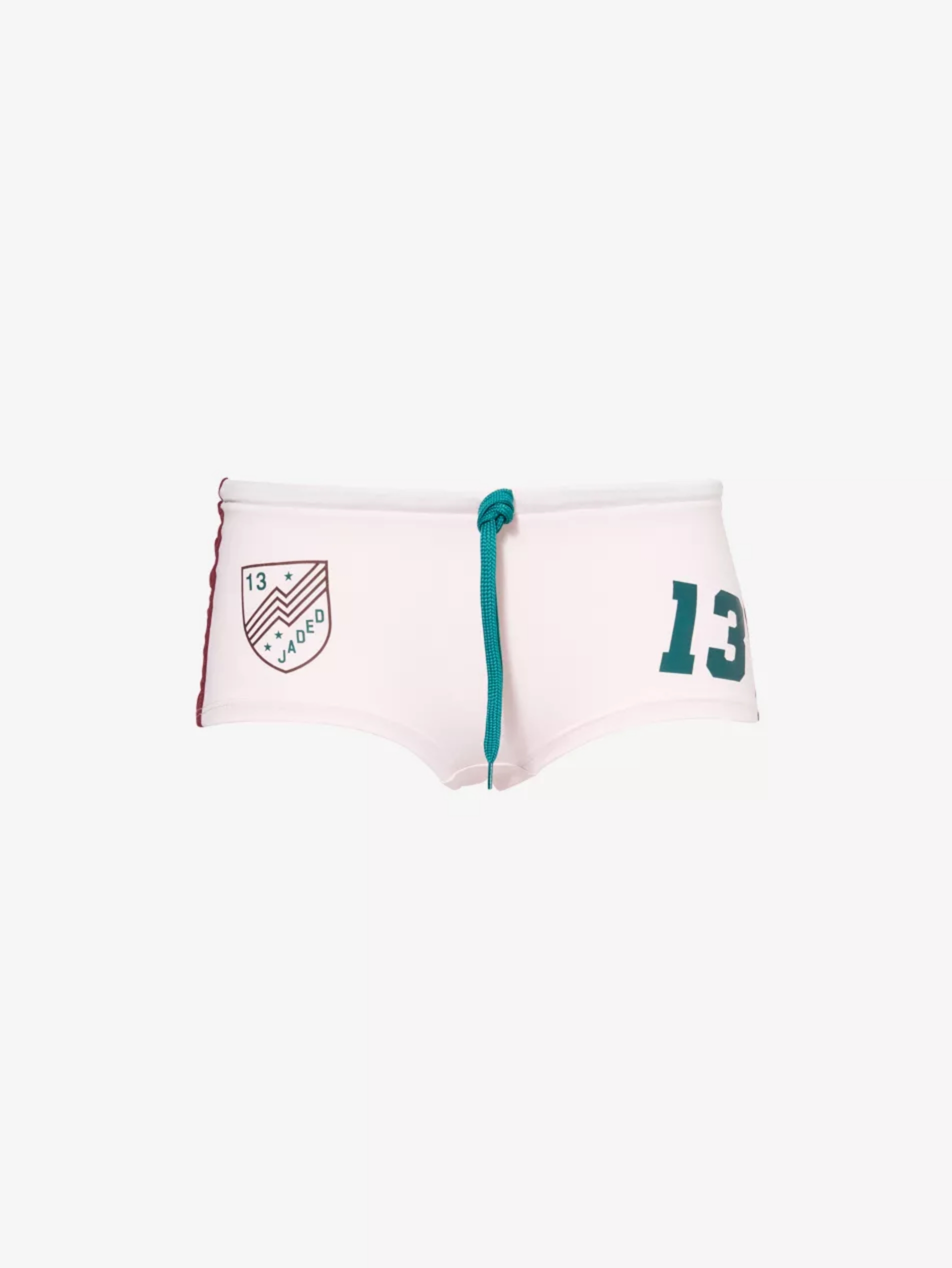
The trend lives or dies on the styling, so here is where to start, and most of it is built to outlast the final whistle.



.svg)


.svg)
.svg)